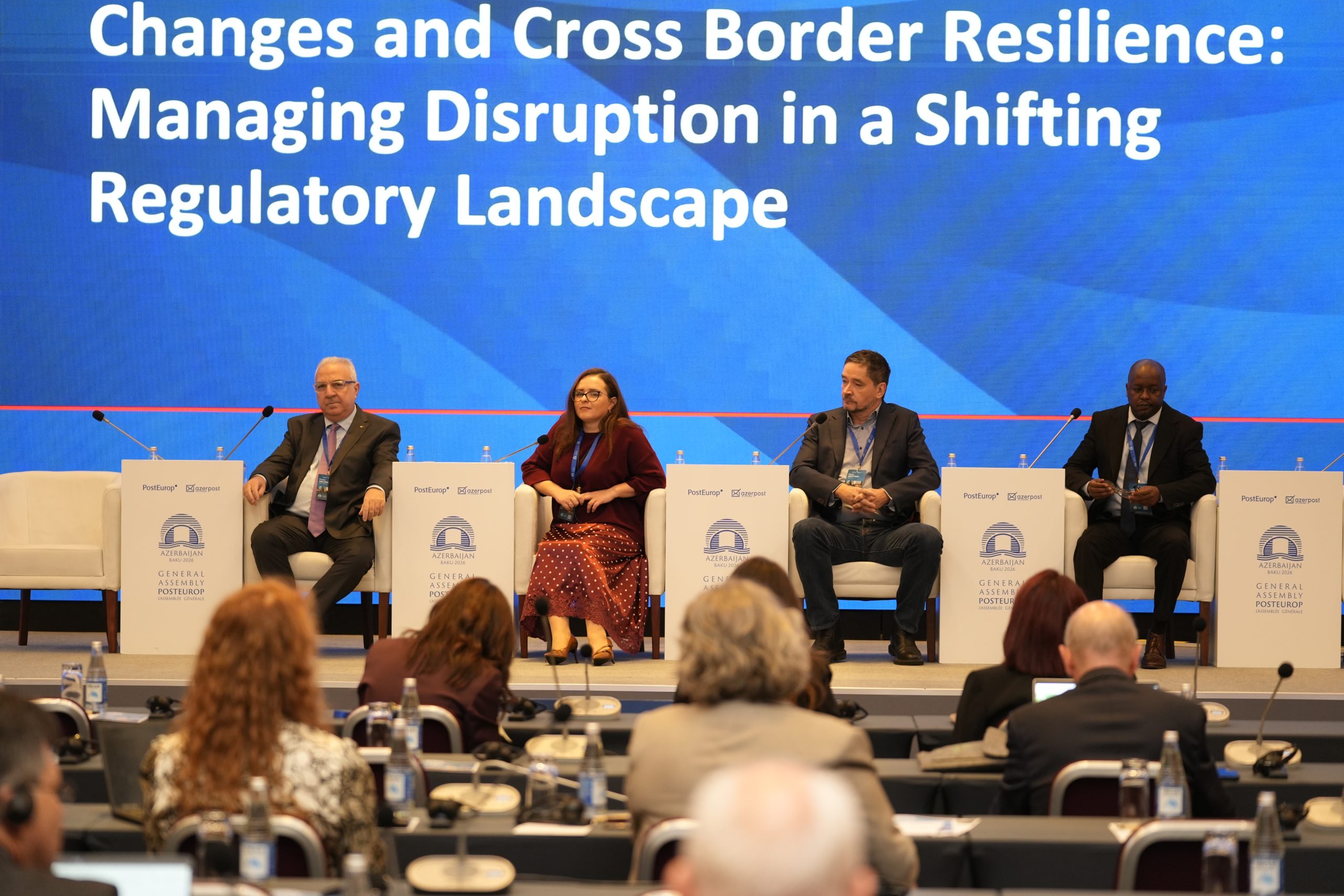
How can postal operators continue to thrive in an environment shaped by changing customs rules, growing e-commerce flows and rising customer expectations? And how can they continue to deliver meaningful social value while developing new business opportunities?
These were among the questions explored during the PostEurop Business Forum in Baku, where postal leaders and industry experts came together to discuss the forces reshaping the sector and the innovative responses emerging across the postal community.
A recurring theme throughout the forum was the growing complexity of cross-border commerce. New customs requirements, evolving duty collection models and increasing data obligations are transforming the way international postal services operate. While these changes introduce additional challenges, speakers emphasised that they also create opportunities for greater efficiency, stronger customer confidence and enhanced cooperation between operators.
Several contributors highlighted the importance of technology, data quality and collaboration in ensuring smooth cross-border flows. Examples shared during the session demonstrated how postal operators are adapting their networks and processes to support customers through an increasingly complex regulatory environment.
Among the highlights was Azerpost’s vision to further develop Azerbaijan’s role as a strategic logistics bridge between Europe and Asia. Investments in logistics infrastructure, automation and e-commerce capabilities are strengthening the country’s position as an important transport and transit hub, while contributing to the resilience of international supply chains.
The discussion also demonstrated the remarkable adaptability of the postal sector in times of disruption. Experiences shared by postal operators illustrated how innovation, operational flexibility and international partnerships help maintain reliable services even in the most challenging circumstances.
While the morning session focused on the movement of goods across borders, the later shifted attention to the broader role postal operators play within society.
Across Europe, posts continue to demonstrate that their extensive networks, trusted brands and close community presence can create value far beyond the delivery of letters and parcels. Examples presented during the forum showed how postal operators are supporting charitable organisations, improving access to financial services, expanding insurance offerings and designing services that are accessible to all customers.
Whether helping rural communities access essential financial services, supporting local charities, extending new services through trusted postal networks or improving accessibility for people with disabilities, the initiatives presented reflected a common objective: ensuring that postal services remain relevant, inclusive and responsive to society’s evolving needs.
The discussions also reinforced the growing importance of Environmental, Social and Governance (ESG) considerations within the sector. Participants noted that customers, partners and communities increasingly expect organisations to demonstrate their social impact alongside their operational performance.
Although the topics ranged from customs compliance and technology to accessibility and community engagement, they all pointed towards the same conclusion. The postal sector’s future will be shaped not only by its ability to innovate and adapt, but also by its ability to collaborate and continue serving customers and communities in meaningful ways.
The Business Forum in Baku showcased both dimensions. It highlighted an industry embracing transformation while remaining firmly committed to its core purpose: connecting people, businesses and communities across borders.